

Why Inorganic Shaped Components Are Key Materials for High-Temperature Industrial Applications
In industrial heat treatment, high-temperature kilns, and refractory equipment, conventional panels often cannot meet the precision requirements of complex areas. In such cases, inorganic shaped components are increasingly chosen for their high customization and excellent high-temperature performance.
Inorganic shaped components are made from materials such as ceramic fiber, calcium silicate, and alumina, and are manufactured via molding, vacuum forming, or machining. They are custom-designed to meet specific dimensions, shapes, and structures. These components typically offer excellent thermal stability, low thermal conductivity, and good structural strength, enabling long-term stable operation in temperatures exceeding 1000 °C.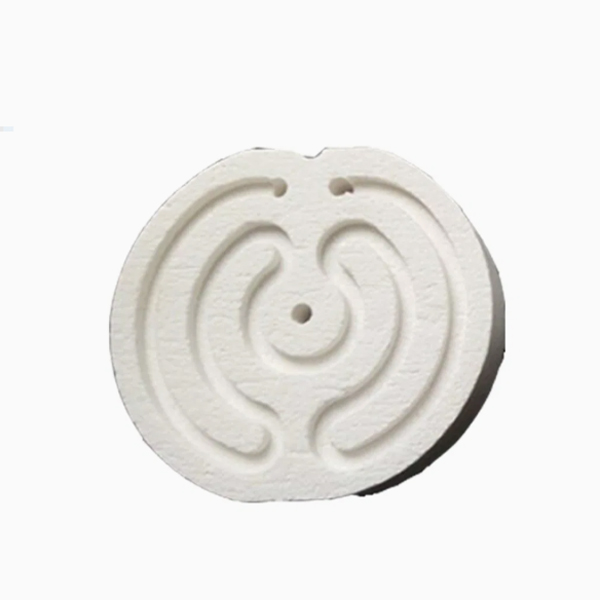
Compared with traditional rigid refractory bricks or panels, inorganic shaped components provide higher precision, easier installation, and better adaptation to thermal stress. They effectively reduce heat loss and equipment thermal fatigue, prolonging service life. Applications span metallurgy, petrochemicals, power, ceramics, and cement, especially for kiln doors, burner bricks, lining joints, and kiln car structures.
With advanced manufacturing techniques, these components can be produced in batches to meet diverse operating conditions, greatly improving on-site installation efficiency and overall thermal management. Under the “dual carbon” policy, industrial users increasingly rely on high-performance refractory materials, and inorganic shaped components have become essential for building intelligent, efficient thermal systems.


