










1. Product Overview
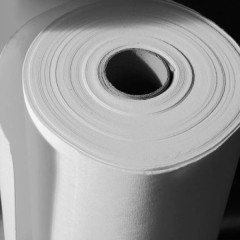
Bio-soluble ceramic fiber paper differs from traditional ceramic fiber paper. While maintaining excellent high-temperature resistance, thermal stability, and outstanding insulation performance, it has significantly lower biopersistence. The material can gradually dissolve in the human body and be naturally excreted, greatly reducing potential health risks for workers. It fully complies with modern global requirements for safe and environmentally friendly high-temperature materials.
This product is widely used in metallurgy, power generation, petrochemical industry, electronics, and new energy sectors for high-temperature sealing, thermal insulation, electrical insulation, and fire protection applications. It is an ideal replacement for traditional ceramic fiber paper.
2. Technical Parameters
Item | 1260 Paper
- Classification Temperature (°C): 1260
- Working Temperature (°C): ≤ 1000
- Melting Temperature: > 1300°C
- Loss on Ignition (wt%): 8–12
- Tensile Strength (kPa): ≥ 320
- Linear Shrinkage (1000°C × 24h): ≤ -3%
Thermal Conductivity
- 400°C: 0.10
- 600°C: 0.16
- 800°C: 0.22
Chemical Composition
- SiO₂: 63–73%
- CaO + MgO: 25–34%
- Others: ≤ 3%
Sizes
- Thickness: 0.5–10 mm
- Width: 610 / 1220 mm
- Length: 10,000–60,000 mm
- Custom sizes available upon request
Note: For other specifications, please contact our sales team.
3. Product Features & Advantages
✅ Bio-solubility
The fiber consists of alkaline earth silicate composition with high bio-solubility, compliant with EU Directive 97/69/EC. It does not accumulate in the lungs, significantly reducing occupational health risks.
✅ Flexibility & Bend Resistance
Compared with traditional ceramic fiber paper, this material offers better flexibility and bending strength. It is easy to cut, wrap, and shape, making it ideal for complex geometries and irregular equipment.
✅ Excellent Thermal Insulation
Low thermal conductivity and high temperature resistance ensure effective thermal protection in medium to high temperature environments, reducing energy consumption and improving equipment safety.
✅ Chemical Stability
Resistant to most acids and alkalis and stable in various industrial gas environments. It does not emit smoke or corrosive gases during heating.
✅ High Electrical Insulation
Provides excellent electrical insulation, suitable for electronics, vacuum systems, and applications requiring both thermal and electrical protection.
4. Applications
Bio-soluble ceramic fiber paper is widely used in high-temperature industrial fields, including:
- Furnace lining seals, door sealing tapes, and high-temperature gaskets
- Wrapping and insulation of metal heat-treatment furnace walls
- Gas turbines and aircraft engine thermal insulation coatings
- Electrical equipment insulation
- Automotive exhaust systems and catalytic converter insulation pads
- Thermal management components in photovoltaic and lithium battery systems
- High-temperature linings for laboratory equipment and instruments
5. Packaging & Storage
- Standard thickness: 1 mm, 2 mm, 3 mm, 5 mm, etc. (customizable)
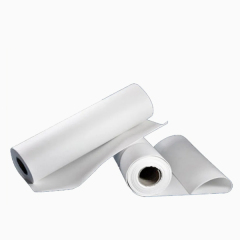
- Standard size: 600 mm × 10,000 mm (rolls), cut-to-size available
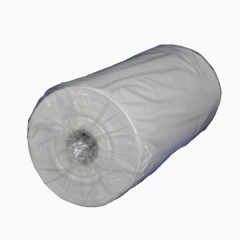
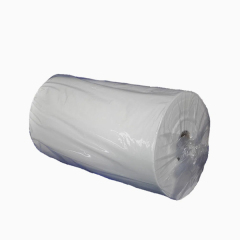
- Packaging: plastic film + carton box, moisture-proof and damage-resistant
- Storage: keep in a dry, ventilated place, avoid direct contact with water and oil
6. Environmental Compliance
- Complies with EU CE certification and RoHS directive
- Registered under REACH requirements
- Bio-solubility complies with EC 97/69/EC classification
- Asbestos-free and environmentally safe
7. FAQ
Q1: What is the main difference between bio-soluble ceramic fiber paper and conventional ceramic fiber paper?
A1: The main difference is bio-solubility. Conventional ceramic fibers may remain in the lungs for a long time, posing health risks, while bio-soluble fibers gradually dissolve and are safely eliminated from the body, making them safer for occupational use.
Q2: Can bio-soluble ceramic fiber paper be used continuously at 1100°C?
A2: Yes, it is designed for long-term use at 1000–1100°C under conditions without strong corrosive environments or high-velocity airflow to maintain structural stability.
Q3: Does the product contain binders? Will it produce smoke when heated?
A3: It contains a small amount of organic binder (less than 8%). A slight smoke emission may occur at 200–300°C during initial heating. Proper ventilation or pre-heating is recommended.

