










Raw Materials
The primary raw material for ceramic fiber paper is ceramic fiber, an inorganic fibrous material produced from natural minerals or chemical raw materials such as kaolin, silica, and alumina through high-temperature melting and fiberization.
These raw materials are characterized by high purity, excellent heat resistance, and strong chemical stability, which form the foundation for the superior performance of ceramic fiber paper.
Manufacturing Process
First, the ceramic fiber raw material is pretreated through processes such as opening and carding to form loose fibers.
Then, the fibers are mixed with an appropriate amount of binders and additives to form a fiber slurry.
Next, the slurry is processed into wet paper sheets of specific thickness and strength using a papermaking process.
Finally, through drying, curing, and other post-treatment processes, moisture and volatile substances are removed, and the binder is solidified, resulting in ceramic fiber paper with stable performance and defined properties.
Performance Characteristics
1. Excellent Heat Resistance
It can be used for long periods in high-temperature environments, withstanding temperatures above 1000°C. Some high-performance ceramic fiber papers can operate at temperatures up to 1200–1400°C, making them widely used in high-temperature industrial applications.
2. Low Thermal Conductivity
With extremely low thermal conductivity, it effectively reduces heat transfer and serves as an excellent thermal insulation material. This helps industrial equipment and pipelines reduce heat loss, lower energy consumption, and improve energy efficiency.
3. Good Chemical Stability
It offers strong resistance to most acids, alkalis, and other chemical substances, maintaining stable performance even in harsh chemical environments. It is widely used in industries such as chemical processing and metallurgy.
4. Good Flexibility
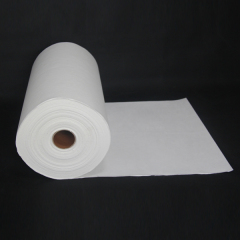
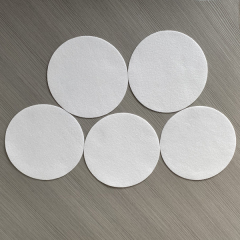
The material has good flexibility and processability. It is easy to cut, fold, and shape into various forms and sizes, making installation convenient. It is especially suitable for applications requiring flexible installation, such as pipe bends and sealing components.
Applications
1. Industrial Thermal Insulation
Widely used in industrial furnaces, boilers, heating equipment, and lining insulation systems. It effectively reduces heat loss and improves thermal efficiency. It is also used for wrapping high-temperature pipelines to prevent heat loss and protect operators from burns.
2. Electrical Insulation
Due to its excellent insulation properties, it can be used as insulating materials for wires and cables, insulation gaskets, and partitions in electrical equipment, ensuring safe operation under high-temperature conditions.
3. Aerospace Industry
Used in thermal insulation components for aircraft engines and thermal protection systems for spacecraft. Its lightweight, high heat resistance, and insulation properties improve equipment performance and reliability while reducing energy consumption.
4. Automotive Industry
Applied in engine compartments for heat insulation and noise reduction, reducing heat transfer to the vehicle interior and improving comfort. It also helps reduce noise and can be used in exhaust system insulation to protect surrounding components from high temperatures.
Development Trends
With continuous technological advancements and increasing industrial demand for high-performance materials, ceramic fiber paper is evolving toward higher performance, multifunctionality, and environmental sustainability.
R&D efforts focus on improving heat resistance, mechanical strength, and insulation performance to meet the requirements of aerospace, new energy, and other high-tech industries.
At the same time, multifunctional ceramic fiber paper with properties such as waterproofing, moisture resistance, and antibacterial performance is being developed to expand application fields.
Environmental protection is also a key focus, with efforts to adopt eco-friendly production processes, reduce energy consumption, and minimize emissions, ensuring sustainable development of the industry.
FAQ
Q1: What are the properties of ceramic fiber paper?
A: It provides excellent thermal insulation and heat resistance, along with good flexibility and ease of processing and forming.
Q2: Where is ceramic fiber paper used?
A: It is widely used for sealing and insulation in industrial furnaces, as well as high-temperature protection for electronic equipment.
Q3: How should ceramic fiber paper be stored?
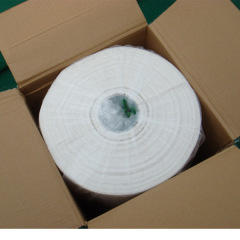
A: It should be stored in a dry and well-ventilated environment, protected from moisture and sharp objects.

