










1. Product Overview
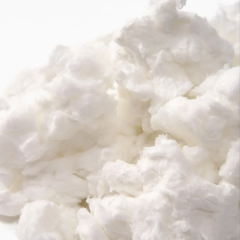
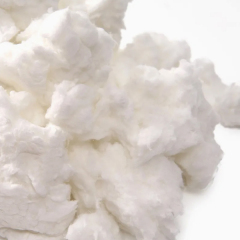
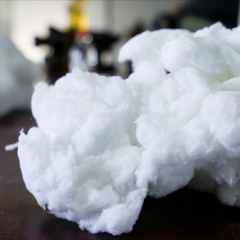
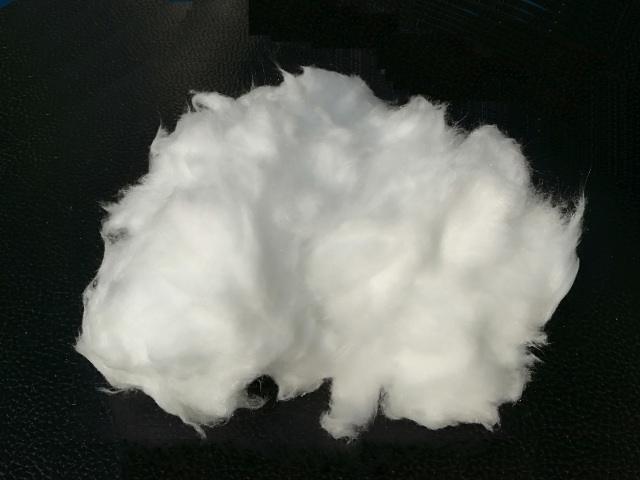
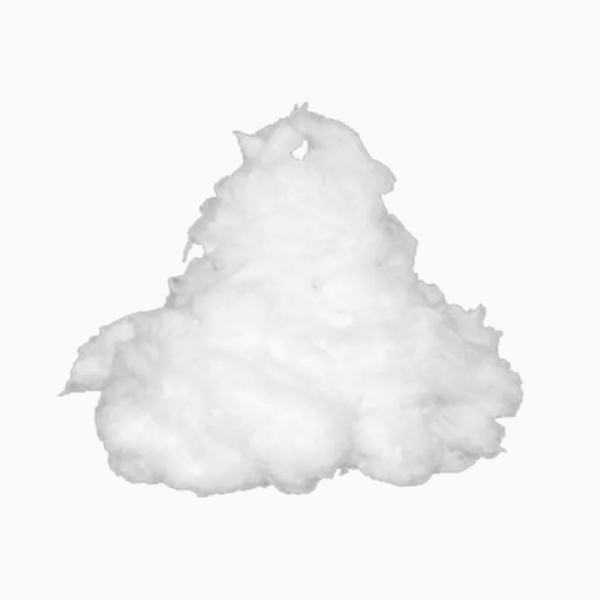
Ceramic fiber wool is an excellent lightweight, high-temperature refractory insulation material featuring low thermal conductivity, thermal shock resistance, and chemical stability. It is a fundamental material widely used in modern industrial kiln insulation, fire protection, and energy-saving applications.
Ceramic fiber wool can be used as a raw material for various shaped products such as boards, blankets, and modules, or applied directly for high-temperature gap filling, insulation of movable equipment, and targeted filling of special parts.
2. Performance Features
(1)High temperature resistance: Continuous service temperature ranges from 1050℃ to 1430℃ depending on the type
(2)Low thermal conductivity: Effectively reduces heat loss and improves furnace thermal efficiency
(3)Excellent chemical stability: Resistant to oxidation and most acid and alkali corrosion
(4)Superior thermal shock resistance: Does not crack or pulverize under rapid cooling or heating
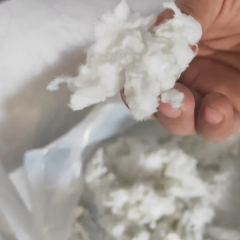
(5)Fluffy and compressible: Suitable for filling irregular or complex shapes
(6)Low heat capacity: Heats up quickly and saves energy
(7)Eco-friendly: Asbestos-free, non-toxic, harmless, and compliant with RoHS standards
(8)Good processability: Suitable for vacuum forming, wet forming, spraying, pressing, and other processes
3. Technical Parameters
|
Item |
STD |
HP |
HA |
ZA |
HTZ |
|
Classification Temperature ℃ |
1260 |
1260 |
1360 |
1360 |
1430 |
|
Service Temperature ℃ |
≤1050 |
≤1100 |
≤1200 |
≤1200 |
≤1350 |
|
Color |
Pure White |
Pure White |
Pure White |
Pure White |
Pure White |
|
Thermal Conductivity (W/m·K) |
|
|
|
|
|
|
@400℃ |
0.095 |
0.095 |
0.114 |
0.114 |
0.122 |
|
@500℃ |
0.123 |
0.123 |
0.135 |
0.135 |
0.153 |
|
@600℃ |
0.158 |
0.158 |
0.191 |
0.191 |
0.184 |
|
Permanent Linear Change (%) |
≤-3 (at specified temp/time) |
≤-3 |
≤-3 |
≤-3 |
- |
|
Chemical Composition (%) |
|
|
|
|
|
|
Al₂O₃ |
45-46 |
47-49 |
52-55 |
45-46 |
39-40 |
|
Al₂O₃+SiO₂ |
97 |
99 |
99 |
- |
- |
|
Al₂O₃+SiO₂+ZrO₂ |
- |
- |
- |
99 |
99 |
|
ZrO₂ |
- |
- |
- |
5-7 |
15-17 |
|
Fe₂O₃ |
≤1.0 |
≤0.2 |
≤0.2 |
≤0.2 |
≤0.2 |
|
Na₂O+K₂O |
≤0.5 |
≤0.2 |
≤0.2 |
≤0.2 |
≤0.2 |
Packaging: Plastic woven bags and cartons
Certifications: CE, ISO9001-2008; ISO14001-2004, SGS, RoHS, SASO, REACH
4. Manufacturing Process & Types
Ceramic fiber wool can be categorized by manufacturing methods:
5. Applications
Widely used in various high-temperature industries:
▶ Industrial kiln gap and joint insulation
▶ Flexible insulation linings for high-temperature equipment
▶ Refractory filling around furnace doors, observation windows, valves
▶ Insulation wrapping for high-temperature pipes and vessels
▶ Raw material for shaped ceramic fiber vacuum-formed products
▶ Base materials for sprayed insulation layers
▶ High-temperature filling in laboratories and electric heating equipment
▶ Thermal insulation for glass, steel, metallurgy, and chemical industry equipment
6. Packaging and Storage
✅ Packaging: Double-layer PE bags with woven bags or cartons outside; weight options: 10kg, 15kg, 20kg (customizable); supports bulk bags, compressed packaging, vacuum packaging (export-friendly).
✅ Storage: Store sealed in dry, ventilated warehouse; avoid moisture, acid/alkali contact, and heavy compression deformation; recommended storage period within 12 months for optimal performance.
7. Selection Guide
|
Working Temperature (℃) |
Recommended Type |
Typical Applications |
|
≤1000 |
Standard / High Purity |
Industrial furnace gap filling, backing insulation |
|
1000–1200 |
High Alumina (HA) |
Soft insulation structures for petrochemical and metallurgy equipment |
|
1200–1350 |
Zirconia-containing |
High-temperature smelting, heating furnaces, ceramic firing zones |
|
≤1100 & Environmental Req |
Bio-soluble |
Shipbuilding, building insulation, environments requiring safe human contact |

8. Typical Cases
Case 1: Steel plant converter furnace door filling (Shandong)
Requirements: ≥1200℃ temperature resistance, strong insulation, frequent opening/closing
Solution: Zirconia-containing fiber spun ceramic fiber wool + stainless steel mesh bag
Result: Door temperature decreased by 60℃, insulation significantly improved, service life up to 18 months
Case 2: Ceramic factory heat treatment furnace gap repair (Vietnam)
Requirements: Fast repair of furnace structural gaps, durable and convenient
Solution: Blown-type ceramic fiber wool, manually compressed to fill high-temperature gaps
Result: Repair completed within 24 hours, equipment restart time shortened by 3 days
9. FAQ
Q1: Is ceramic fiber wool classified as hazardous? Any transport restrictions?
A1: No, it is non-toxic and odorless, classified as general industrial goods. Handle with care to avoid moisture and compression.
Q2: Can you provide test reports and MSDS?
A2: Yes, we provide routine factory test reports, MSDS (in Chinese and English), RoHS compliance, and other documentation.
Q3: Is the wool prone to pulverization? What is the service life?
A3: Fiber spun wool has higher toughness and resists pulverization. Typical service life is over 2 years for filling applications and over 5 years for vacuum-formed products.
Q4: Compared with ceramic fiber blankets/modules, what are the special applications for ceramic fiber wool?
A4: Wool is especially suitable for insulation or repair in complex structures, irregular shapes, deformation areas, and movable devices.
Q5: Can packaging be customized?
A5: Yes, customized packaging options including compressed bags, bulk bags, 20kg special packs, labeled export packaging are all available.
10. Services & Support
✅ Free sample requests
✅ Product selection consultation and usage guidance
✅ Compatible sales of ceramic fiber modules, boards, papers, blankets, and shaped parts
✅ Stock assurance and special pricing for long-term partners
✅ Support for export, OEM, certification, and origin documents
Ceramic fiber wool is a foundational refractory insulation material widely used in metallurgy, power generation, kilns, petrochemical, construction, aerospace, and other high-temperature industries. Its unique structure and performance make it indispensable for addressing high-temperature heat loss, fire protection, and environmental safety challenges.
We offer a variety of types and packaging forms, supporting customization, technical guidance, and long-term supply cooperation. For detailed technical data, sample requests, or bulk purchasing solutions, please contact our professional team.

