










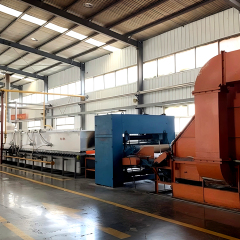


1. Product Overview
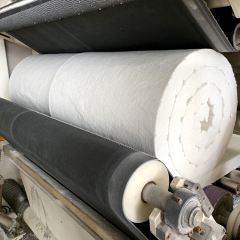
The ceramic fiber blanket production line uses high-purity alumina and silica as the main raw materials. Through multiple processes such as electric or gas furnace melting at high temperature, centrifugal fiber forming, needle punching into blanket, shaping and cutting, and automatic winding, it ultimately produces eco-friendly ceramic fiber insulation products that are resistant to high temperatures, have low thermal conductivity, excellent flexibility, and are asbestos-free.
This equipment system is widely applied in refractory material plants, insulation material plants, steel, petrochemical, construction, metallurgy, and power industries, playing a key role in improving the production efficiency and product quality of high-temperature insulation materials.
2. Equipment Structure
A complete ceramic fiber blanket production line generally consists of the following core parts:
(1) Raw Material Feeding System
l Raw material elevator and weighing system
l Automatic feeding into the melting furnace to ensure precise composition ratio
(2) High-Temperature Melting System
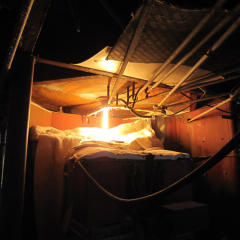
l Electric arc furnace or natural gas melting furnace with refractory lining
l Temperature control system precisely regulates melting temperature (1700–1850°C)
(3) Fiber Forming System
l Centrifugal spinning machine with multiple high-speed wheels
l Equipped with hot-air booster system for efficient fiber spraying
l Controls fiber diameter within 2–5 μm, ensuring uniform structure
(4) Web Forming and Laying System
l Negative pressure suction chamber with mesh conveyor belt for uniform deposition
l Adjustable parameters for thickness and density
(5) Double-Sided Needle Punching System
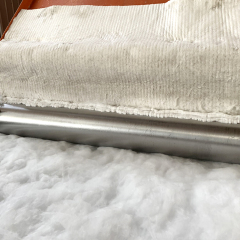
l Adjustable upper and lower needling density
l Enhances blanket strength, structural stability, and flexibility
(6) Drying and Curing System (Optional)
l For hydrophobic or bonded surface blankets
l Heating options: gas-fired or electric
(7) Edge Trimming and Cutting System
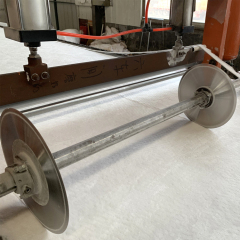
l High-speed precision cutting machine
l Ensures consistent specifications and clean edges
(8) Winding and Packing System
l Automatic winding machine with length control
l Adjustable roll diameter and weight, supports online packaging
(9) Electrical Control System
l PLC + HMI automatic control
l Integrated parameter setting, data recording, and fault alarm management

3. Process Flow
Raw Material Feeding → Melting → Fiber Forming → Web Forming → Needle Punching → Drying & Curing → Cutting → Winding → Packaging
4. Main Technical Parameters
|
Item |
Parameter Range |
Description |
|
Annual Capacity |
1000–5000 tons/year |
Customized as required |
|
Line Width |
600–2400 mm |
Wide-format equipment available |
|
Blanket Thickness |
6–100 mm |
Typical: 10/20/25/50 mm |
|
Density Range |
64/96/128/160 kg/m³ |
Multiple density options |
|
Fiber Diameter |
2–5 μm |
Finer fibers = better insulation |
|
Control System |
PLC + Touchscreen |
Siemens or domestic brands optional |
|
Installed Power |
300–800 kW |
Electricity/gas dual adaptation |
|
Area Required |
1500–4000 m² |
Depends on line length & configuration |
|
Operators |
4–6 persons/shift |
High automation level |
5. Product Features and Advantages
✅ High Production Efficiency – Fully automated, continuous process from melting to finished rolls. Daily output up to 20 tons.
✅ Stable Product Quality – Uniform fiber fineness, dense blankets with excellent flexibility, thermal shock resistance, and low thermal conductivity.
✅ Multi-Product Compatibility – Supports production of standard, high-purity, zirconium-containing, hydrophobic, and customized ceramic fiber blankets.
✅ Energy-Saving & Eco-Friendly – Optimized furnace insulation and energy recovery system reduce consumption and meet environmental standards.
✅ Remote Monitoring & Smart Diagnostics – Optional IoT module for real-time monitoring, predictive maintenance, and remote diagnostics.
6. Typical Applications
■ Blankets produced by this line are widely used in:
■ Industrial furnaces (tunnel kilns, electric furnaces, heat-treatment furnaces) linings
■ High-temperature pipes, elbows, and flange insulation wrapping
■ Hot blast stoves, steel ladles, electrode covers in metallurgy
■ Petrochemical reactors and heat exchangers insulation lining
■ Power plant boiler walls and hot air ducts
■ Automotive exhaust system heat shields
■ Aerospace engine thermal protection
7. Recommended Line Configurations
|
Line Scale |
Target Users |
Annual Capacity |
Key Features |
|
Small Pilot Line |
R&D / New Material Labs |
300–800 tons |
Manual adjustment, suitable for trial production |
|
Standard Medium Line |
Insulation Material Plants |
1000–3000 tons |
Automated winding, needling, cutting, with packaging line |
|
Large Industrial Line |
Industrial parks / Export factories |
3000–5000 tons |
Multi-type compatibility, automatic blade changing system |
8. Investment & ROI Analysis
Initial Investment: RMB 3–8 million depending on scale, process, and automation level
Operating Costs: Mainly energy, labor, and maintenance
Payback Period: 12–24 months under normal operation
Profitability: Flexible adjustment of product specifications to meet market demand, improving gross margin
Expansion Capability: Modular design allows future capacity increase or product diversification
9. After-Sales & Technical Service
✅ Free technical training and installation guidance
✅ One-year warranty with lifetime technical support
✅ Process optimization and production upgrade services
✅ 24/7 after-sales response
✅ Spare parts supply and customized maintenance plans
10. FAQ
Q1: What types of ceramic fiber blankets can this line produce?
A1: Standard, high-purity, zirconium-containing, hydrophobic, and multiple densities & thicknesses.
Q2: How many operators are required?
A2: 4–6 operators per shift (control, furnace, quality, packaging).
Q3: How is fiber dust controlled?
A3: Equipped with high-efficiency dust collection system, sealed suction hoods, and dust bags, compliant with environmental regulations.
Q4: What is the installation period?
A4: 30–60 days including installation, training, and commissioning.
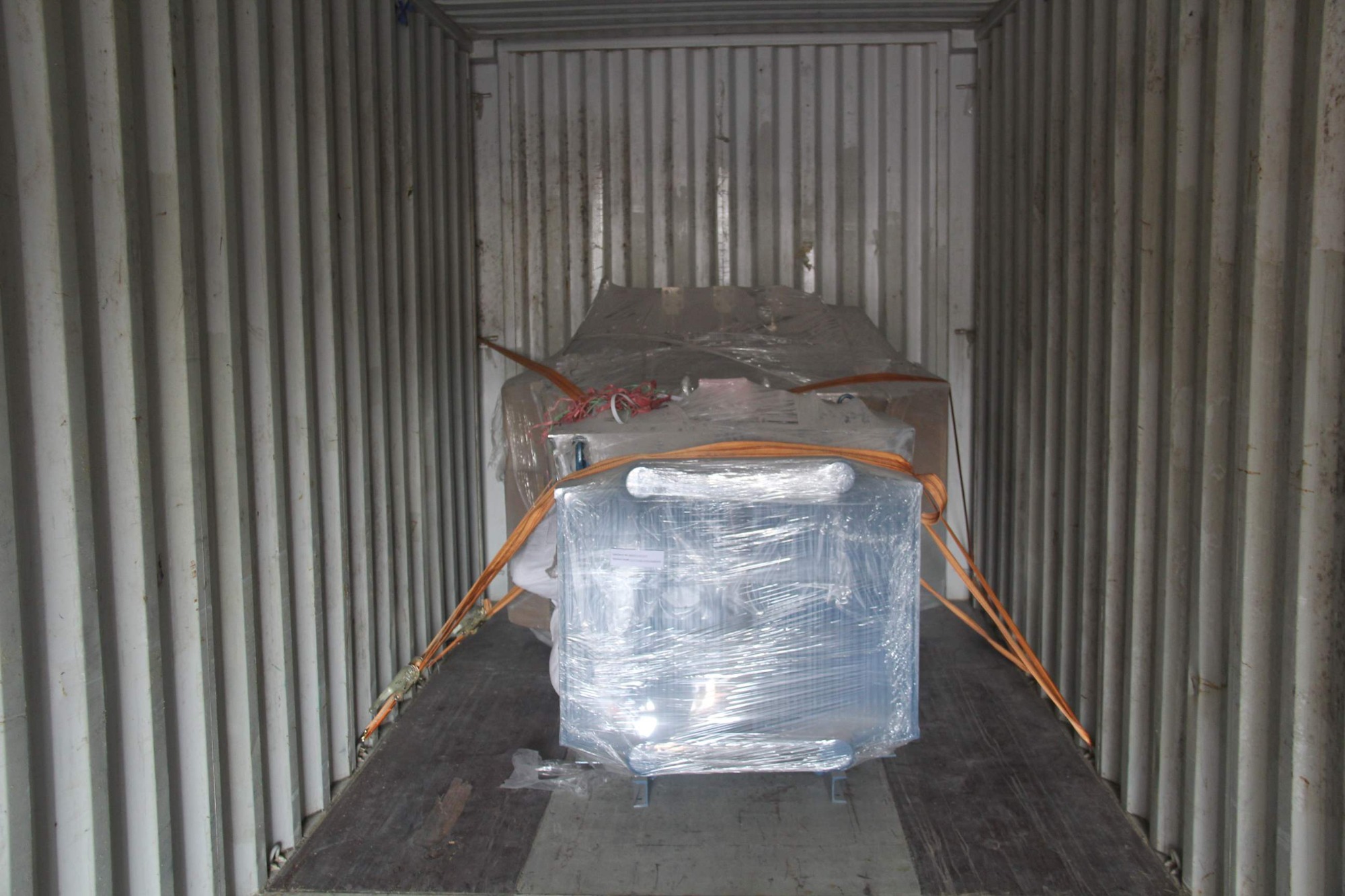
Q5: Is export supported?
A5: Yes, with successful cases in Russia, Turkey, India, Vietnam, Brazil, etc.
Q6: Can customized solutions be provided?
A6: Yes, designs are tailored to customer capacity, process, and budget requirements.

11. Conclusion
As an essential insulation material in modern high-temperature industries, ceramic fiber blankets continue to see growing market demand. A high-efficiency, stable, and fully automated ceramic fiber blanket production line is a key investment for enterprises to enhance competitiveness.
We provide not only mature equipment but also complete one-stop services including design, installation, training, and after-sales support — ensuring efficient, safe, and sustainable production of thermal insulation materials.
Contact us for technical proposals, quotations, and on-site video cases.

