

Advantages of Rock Wool Boards Compared to Other Insulation Materials
Firstly, in terms of fire resistance, rock wool boards are Class A non-combustible materials with a melting point above 1000 °C. They do not burn or release toxic smoke when exposed to fire, effectively preventing fire spread. This performance is far superior to organic insulation materials like polystyrene or polyurethane. Therefore, rock wool boards are widely used in high-rise and public buildings where strict fire safety is required.
Secondly, regarding thermal insulation, rock wool boards have a low thermal conductivity and excellent thermal stability. Their dense and uniform fiber structure effectively reduces heat loss, improving building energy efficiency. Additionally, rock wool boards provide sound absorption and noise reduction, enhancing indoor comfort, making them valuable in airports, highways, schools, and other environments.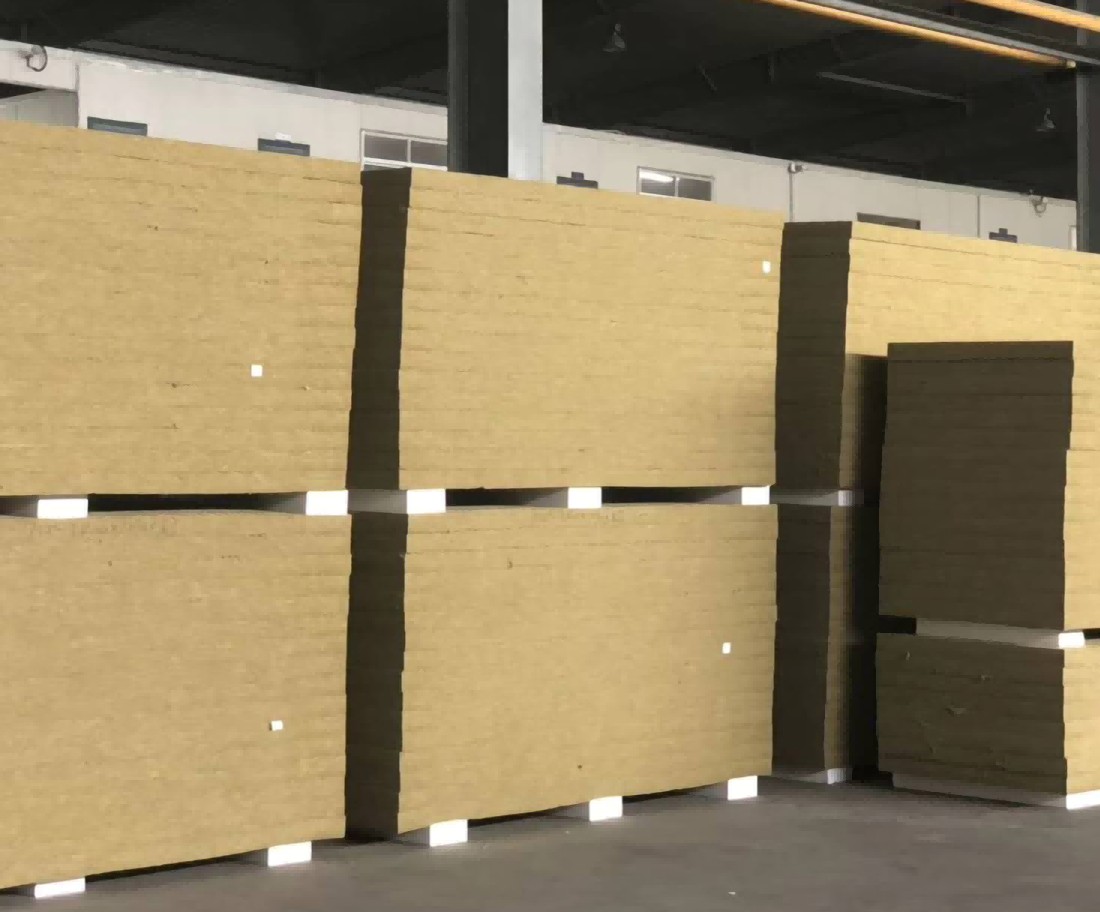
From an environmental perspective, rock wool boards are made from natural basalt, are non-toxic, recyclable, and aligned with sustainable development principles. They are also easy to cut and install, improving construction efficiency.
In summary, rock wool boards excel in safety, energy efficiency, durability, and environmental friendliness, making them an ideal choice for modern building insulation systems. With increasing building standards, their market demand and industry position will continue to rise.


