

Coke-Fired Rock Wool Production Line: Where Is the Lower-Cost Path?
Views : 197
Author : SUNTHERM
Update time : 2025-08-18 13:50:54
In the high-temperature melting stage of the rock wool industry, the choice of heat source directly affects production costs and system stability. Compared with natural gas or heavy oil systems, why has the coke-fired rock wool production line attracted attention as a lower-cost technical path?

Coke, as a solid fuel, features stable pricing, high calorific value, and long-lasting combustion. Using a coke furnace to melt basalt and other raw materials can significantly reduce energy procurement costs, particularly in regions rich in coal and coke resources or where natural gas costs are high. Furthermore, by optimizing furnace design and oxygen supply ratios, coke combustion efficiency can now rival that of mainstream gas-fired systems.
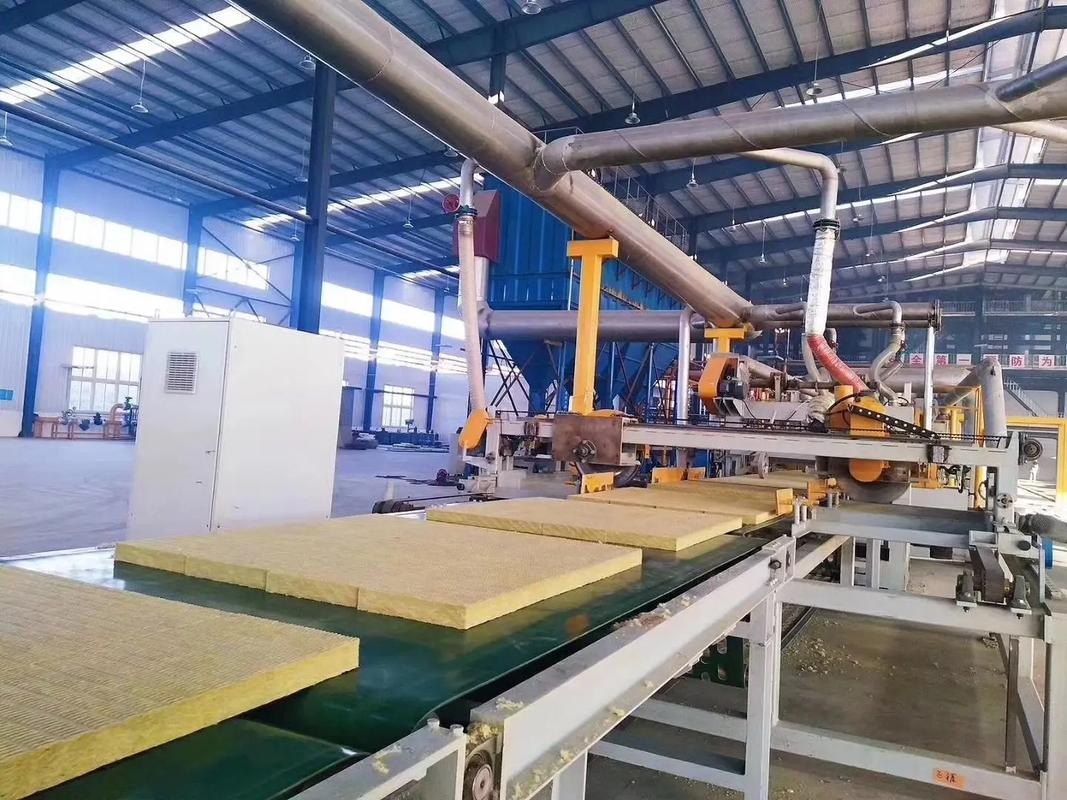
The SUNTHERM Group’s coke-fired rock wool production line integrates high-temperature sealed combustion technology with a multi-zone temperature control system, achieving uniform melting, controllable energy consumption, and stable operation. The entire line is equipped with intelligent feeding, high-efficiency fiberization, and environmentally friendly dust collection systems, forming a complete energy-saving production process. Compared with natural gas systems, unit investment costs and operating expenses can be reduced by approximately 15–25%, making it especially attractive for new projects.
Related News

Ceramic Fiber Blanket: An Efficient Solution for High-Temperature Thermal Insulation
Jun .03.2026
As industrial energy efficiency and thermal insulation requirements continue to increase, Ceramic Fiber Blanket has become one of the most widely used refractory insulation materials in the steel, petrochemical, power generation, ceramic, and heat treatment industries. With excellent thermal insulation performance, lightweight structure, and outstanding high-temperature stability, Ceramic Fiber Blanket helps manufacturers reduce energy consumption, improve operational efficiency, and support sustainable production.


