

What Is Ceramic Fiber Cotton and Why Is It a Preferred Choice for Industrial Insulation?
As one of the most important modern high-temperature insulation materials, ceramic fiber cotton is gaining increasing attention thanks to its excellent performance and broad application prospects. It has gradually become the preferred choice for industrial insulation. So, what exactly is ceramic fiber cotton, and why is it so widely used in high-temperature environments?
1. What Is Ceramic Fiber Cotton?
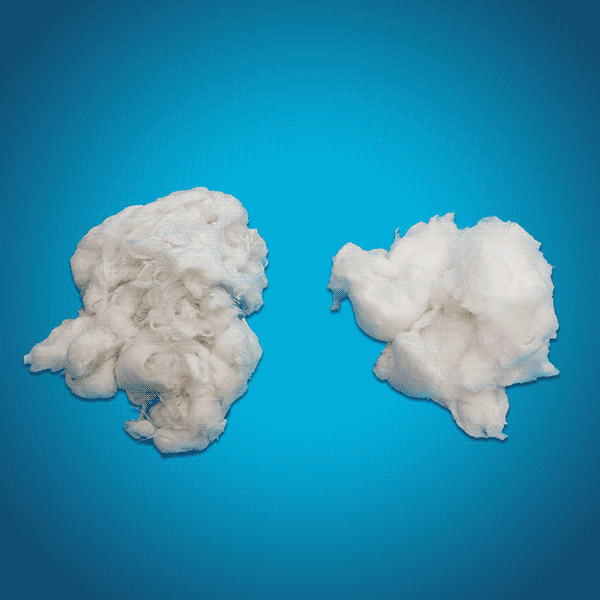
Ceramic fiber cotton is an inorganic fiber material made from high-purity alumina and silicate through a special manufacturing process. It has a soft, fluffy cotton-like structure, extremely low thermal conductivity, and excellent thermal shock resistance. Capable of withstanding temperatures above 1260 °C, it is lightweight and highly effective in thermal insulation, making it an ideal material for industrial kilns, boilers, and heat-treatment equipment.
2. Key Advantages of Ceramic Fiber Cotton
Ceramic fiber cotton not only offers outstanding high-temperature resistance and superior insulation but also features excellent chemical stability and corrosion resistance. With its high flexibility, it can be easily cut and installed, helping to minimize heat loss and improve energy efficiency. Being eco-friendly and non-toxic, it fully meets the requirements of modern green manufacturing.
3. Application Fields
Ceramic fiber cotton is widely used in steel, power, petrochemical, and glass industries. It is mainly applied in furnace linings, kiln insulation layers, as well as pipeline and equipment thermal protection. With the advancement of energy-saving and emission reduction policies, ceramic fiber cotton is becoming a key material driving the industrial transition toward greener and more efficient manufacturing.


