

Why Rock Wool Pipes Dominate Industrial Insulation
In industrial pipeline insulation systems, material selection directly impacts energy efficiency and operational safety. In recent years, rock wool pipes have gradually become the preferred choice in various industrial projects due to their excellent thermal insulation performance, fire resistance, and ease of installation.
Rock wool pipes are made from natural basalt, which is melted at high temperatures and spun into fibers, then combined with a binder and cured to form hollow cylindrical products specifically designed for insulating hot and cold pipelines. Their main features include low thermal conductivity and high-temperature resistance (operating temperatures up to 650 °C), significantly reducing energy loss and improving thermal efficiency.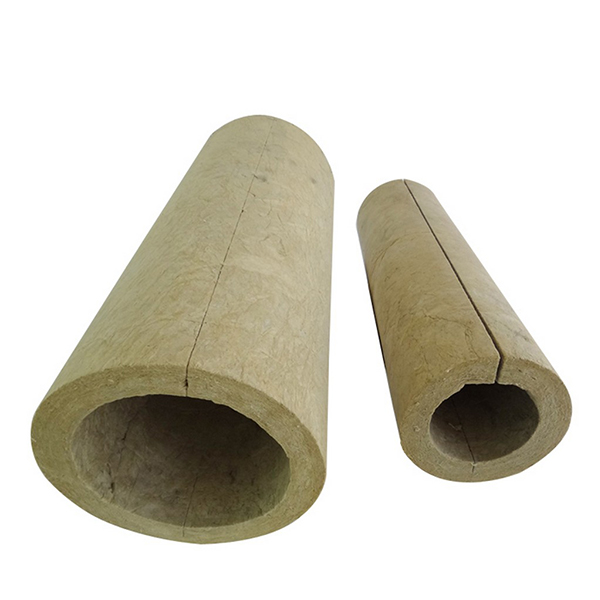
Compared with traditional insulation materials such as glass wool or polyurethane, rock wool pipes have a denser structure, precise dimensions, and are easy to cut and install, enhancing construction efficiency and reducing labor costs. Their excellent water repellency and corrosion resistance ensure long-term insulation performance even in humid or corrosive environments.
With the ongoing advancement of energy-saving and environmental policies, the demand for efficient, safe, and eco-friendly insulation materials in the industrial sector continues to grow, positioning rock wool pipes as a key component in promoting green industry transformation.


